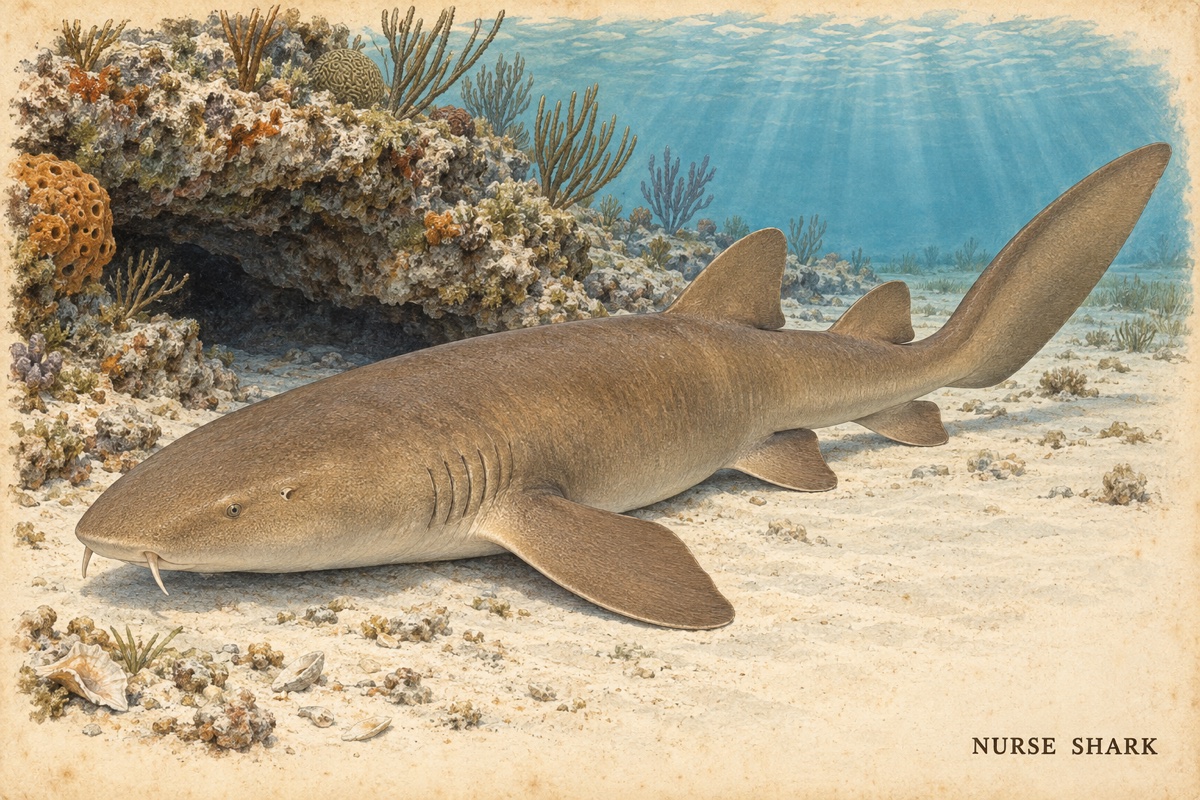
 19 observationsNurse sharkGinglymostoma cirratum
TypicalAbout 7.5–8 ftMaximumAbout 10 ftObserved19Past year
Did you know?
It can use suction to pull prey from crevices.

Shark field cards
Explore the species appearing in our coastal observation coverage. Each guide separates reviewed animal science from the details of any individual observation.
21 species
19 observationsNurse sharkGinglymostoma cirratumIt can use suction to pull prey from crevices.
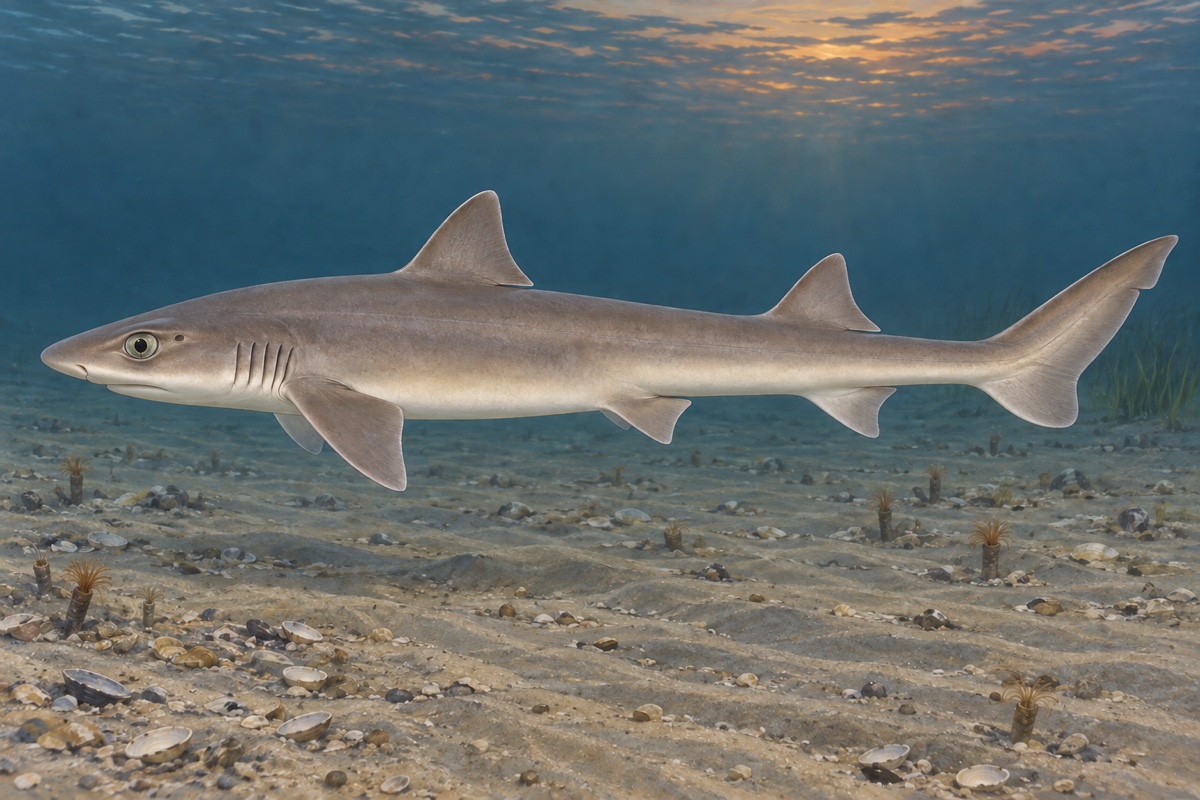 16 observationsDusky smooth-houndMustelus canis
Its flat teeth work more like crushing plates than cutting blades.
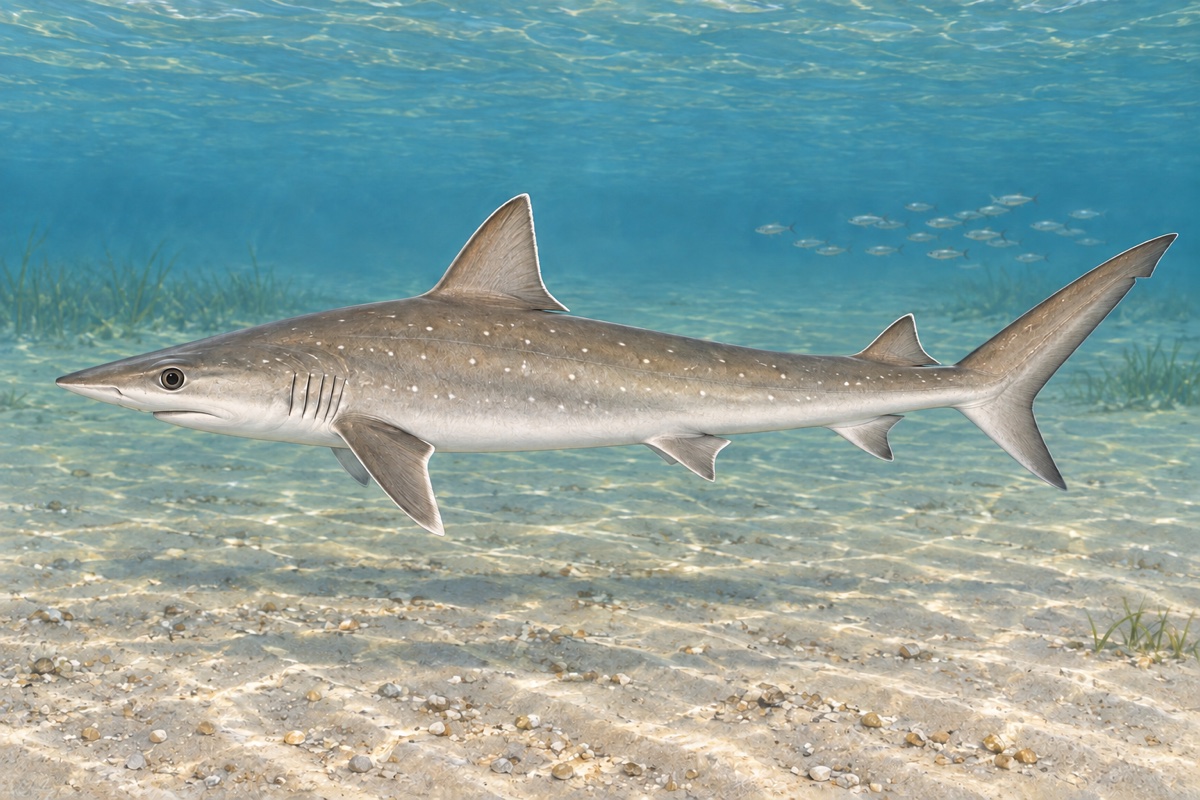 12 observationsAtlantic sharpnose sharkRhizoprionodon terraenovae
Its snout is longer than the width of its mouth.
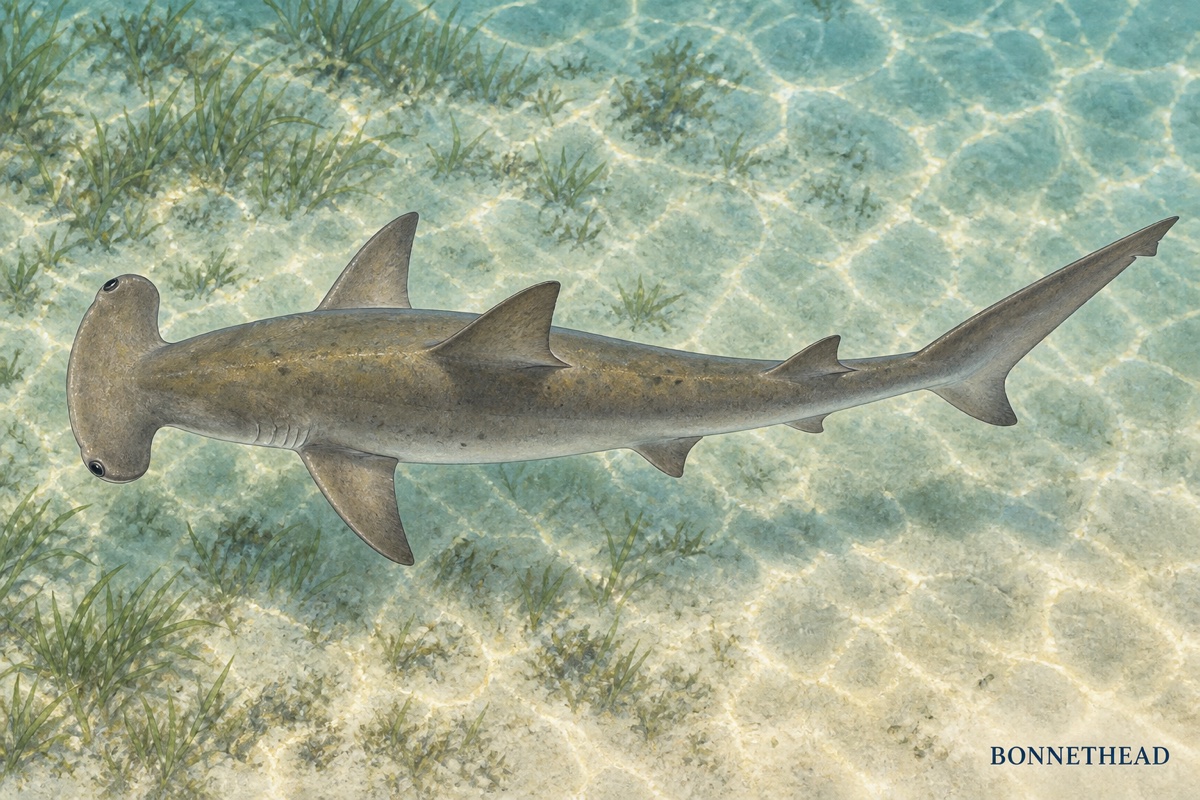 10 observationsBonnetheadSphyrna tiburo
Bonnetheads can form schools numbering in the hundreds during migrations.
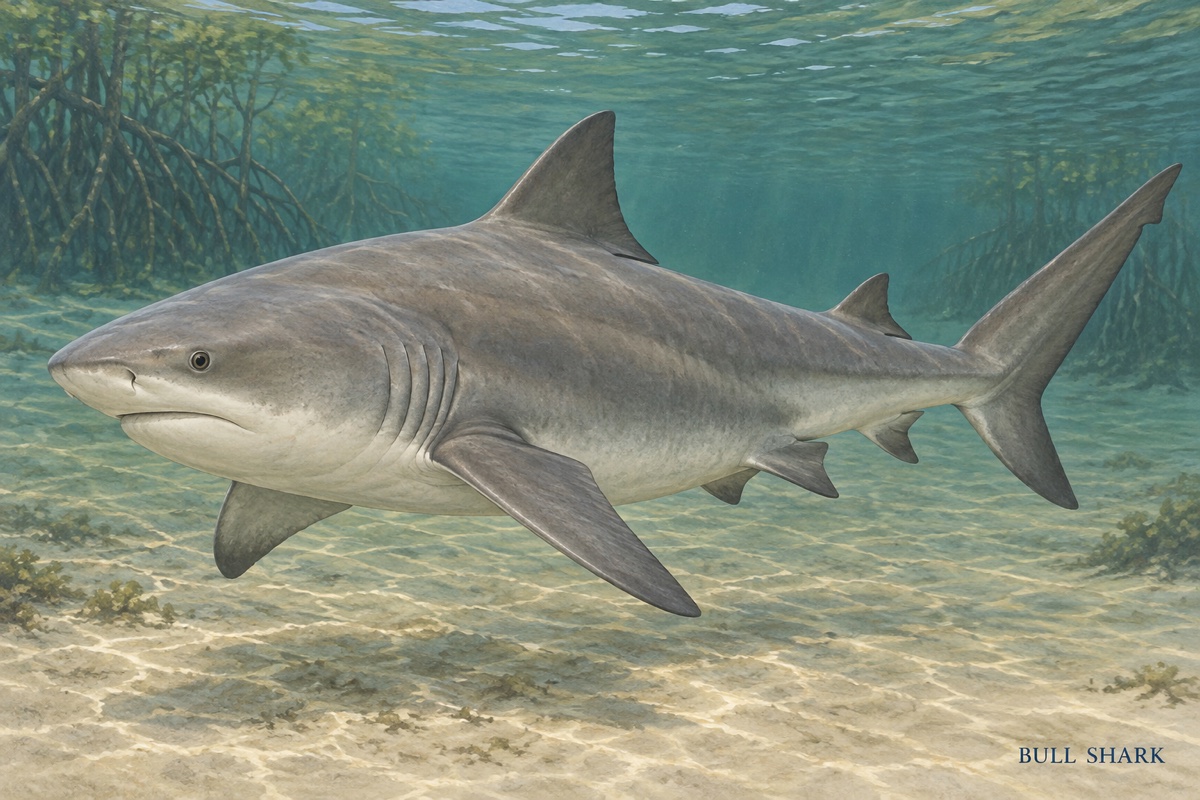 9 observationsBull sharkCarcharhinus leucas
Specialized body chemistry lets bull sharks tolerate freshwater.
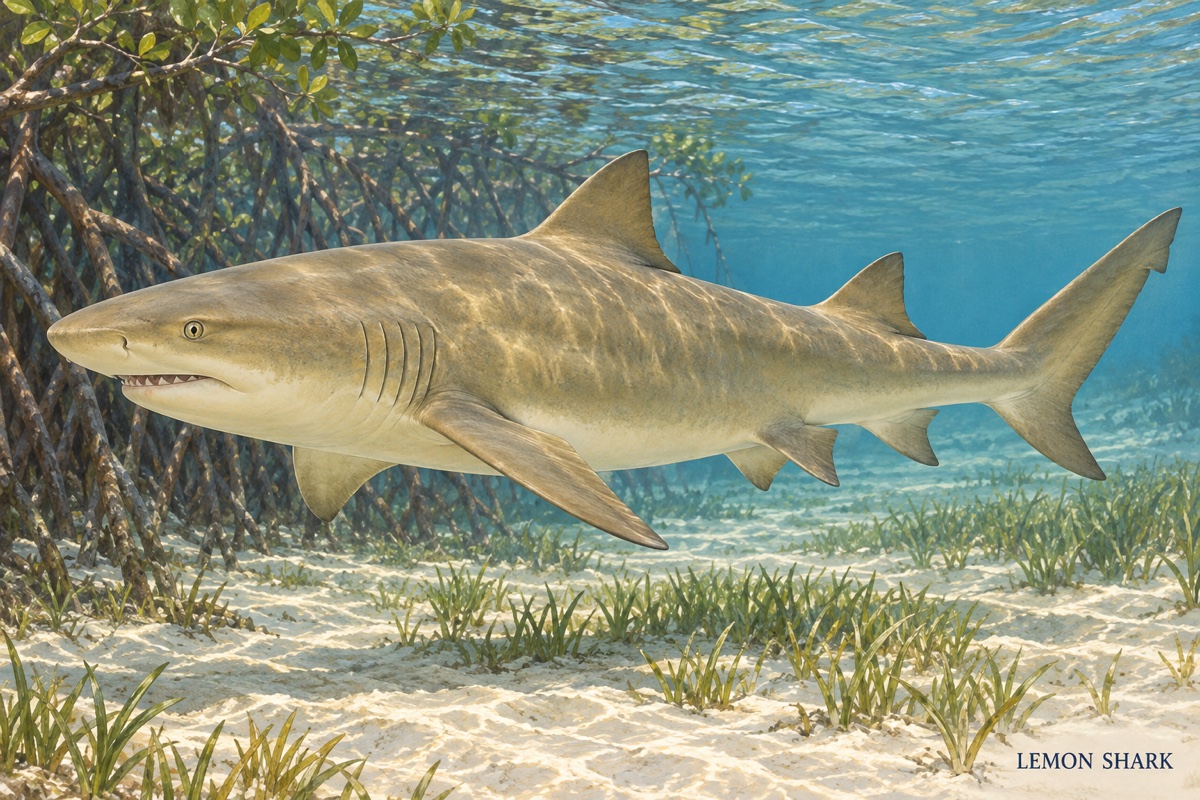 8 observationsLemon sharkNegaprion brevirostris
Young lemon sharks can remain associated with the same nursery area for years.
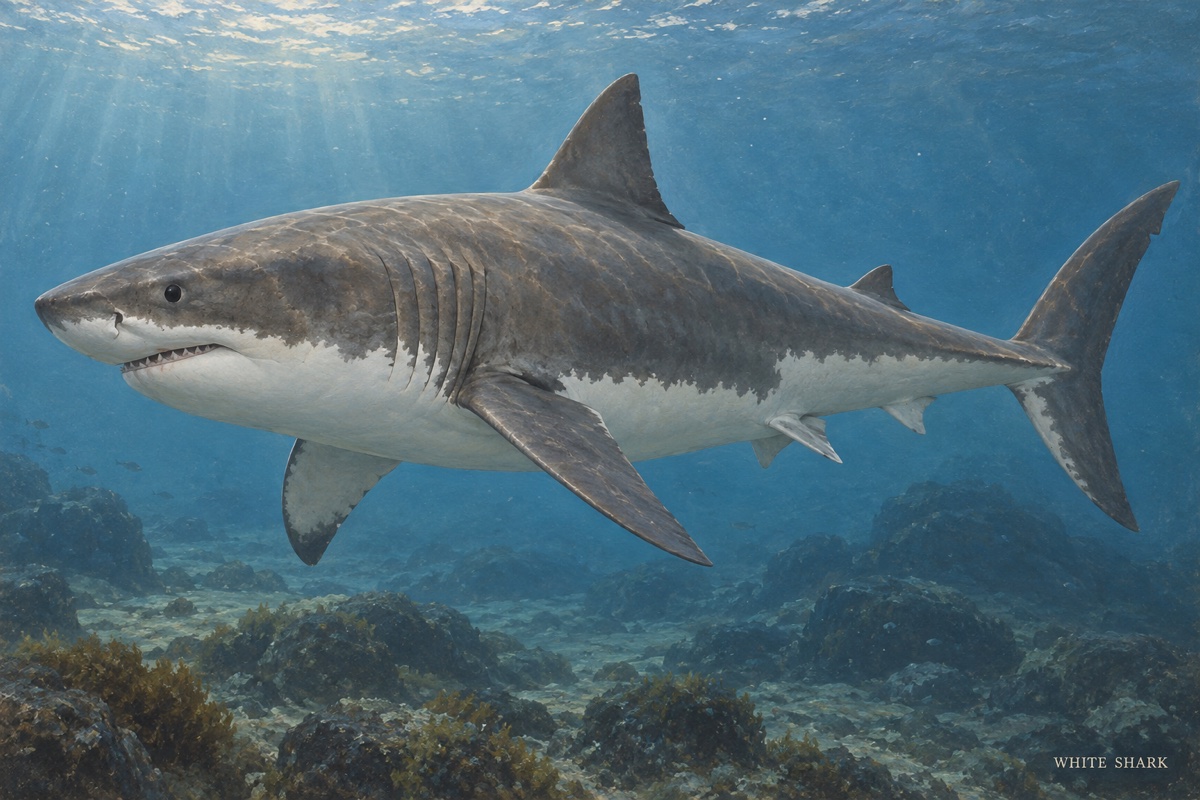 8 observationsWhite sharkCarcharodon carcharias
A heat-conserving circulatory system keeps parts of its body warmer than the surrounding sea.
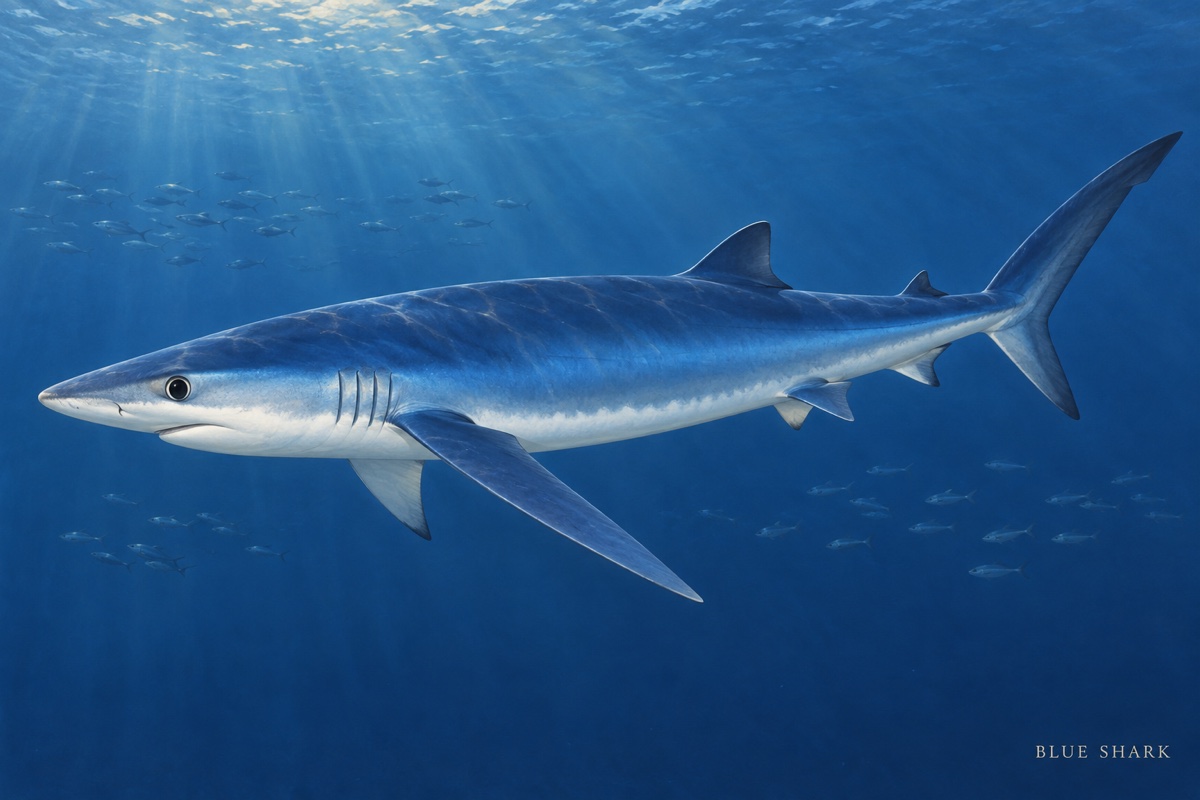 5 observationsBlue sharkPrionace glauca
Blue sharks make long migrations across entire ocean basins.
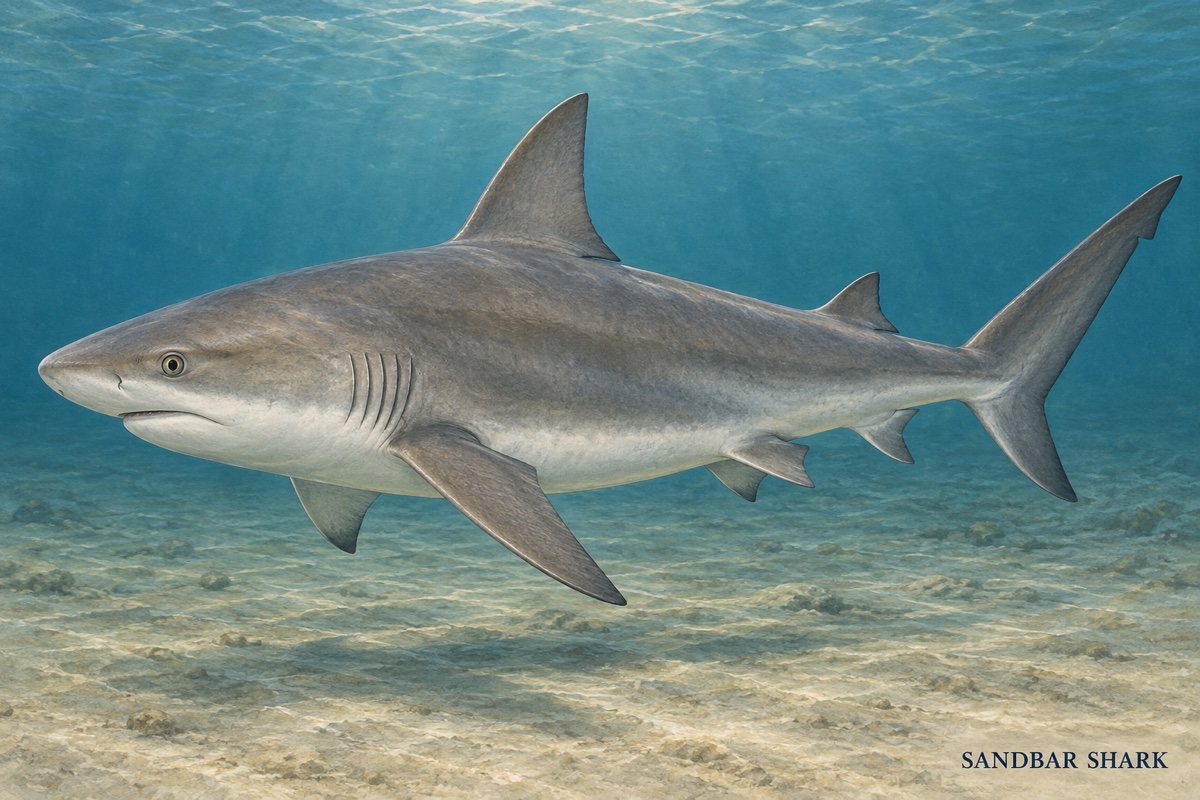 4 observationsSandbar sharkCarcharhinus plumbeus
Sandbars often migrate seasonally as water temperatures change.
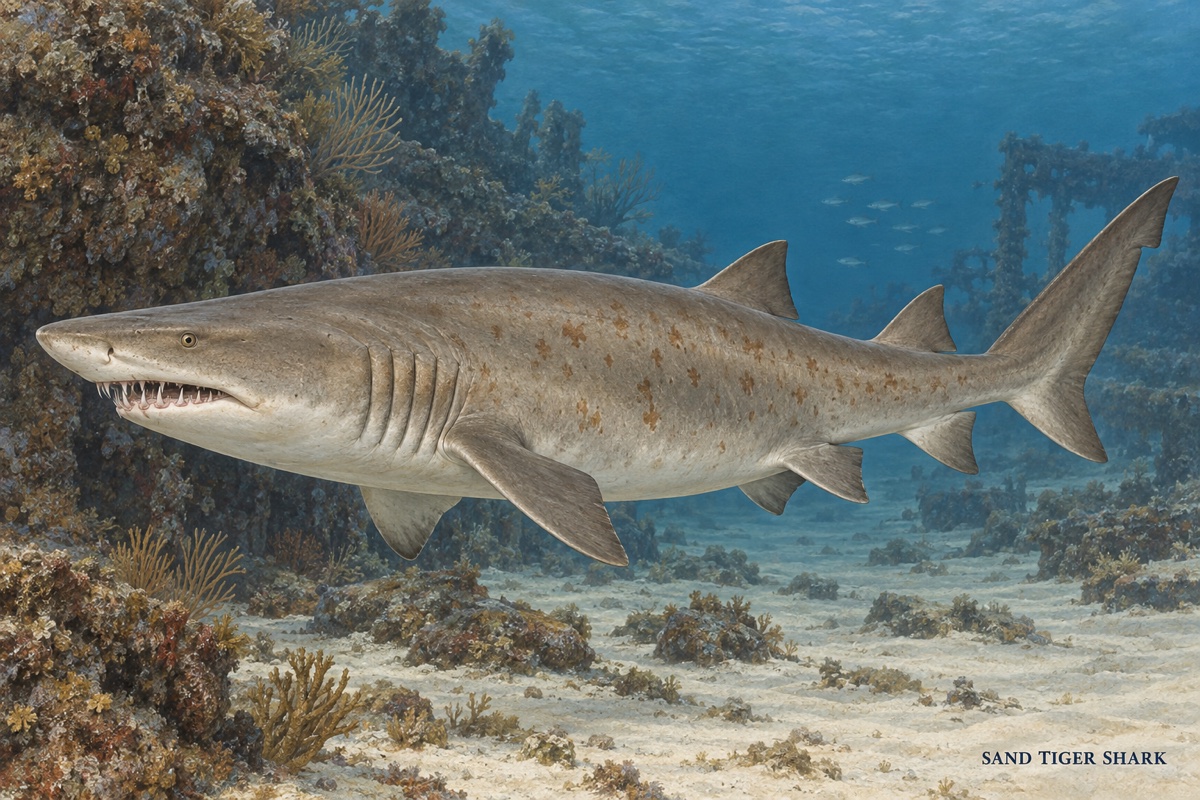 3 observationsSand tiger sharkCarcharias taurus
It gulps air at the surface and holds it in its stomach to hover with little effort.
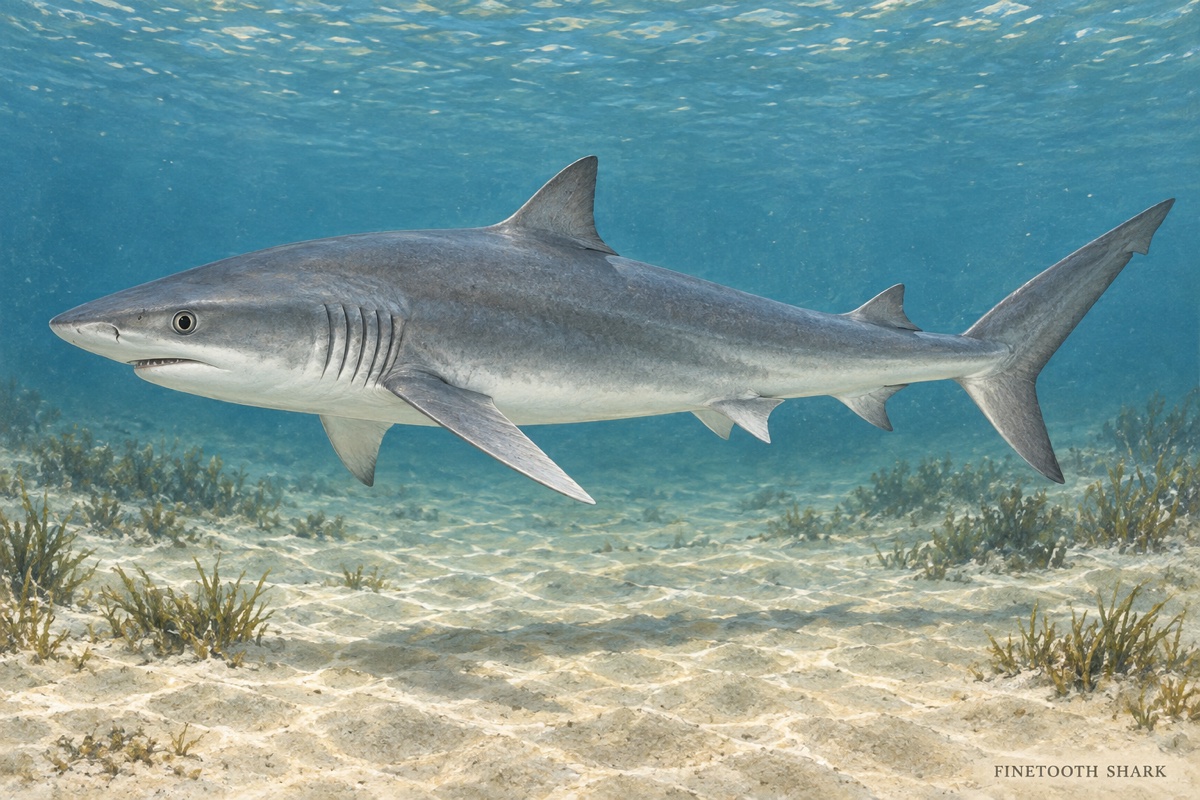 3 observationsFinetooth sharkCarcharhinus isodon
Large schools may chase menhaden and mullet into the surf.
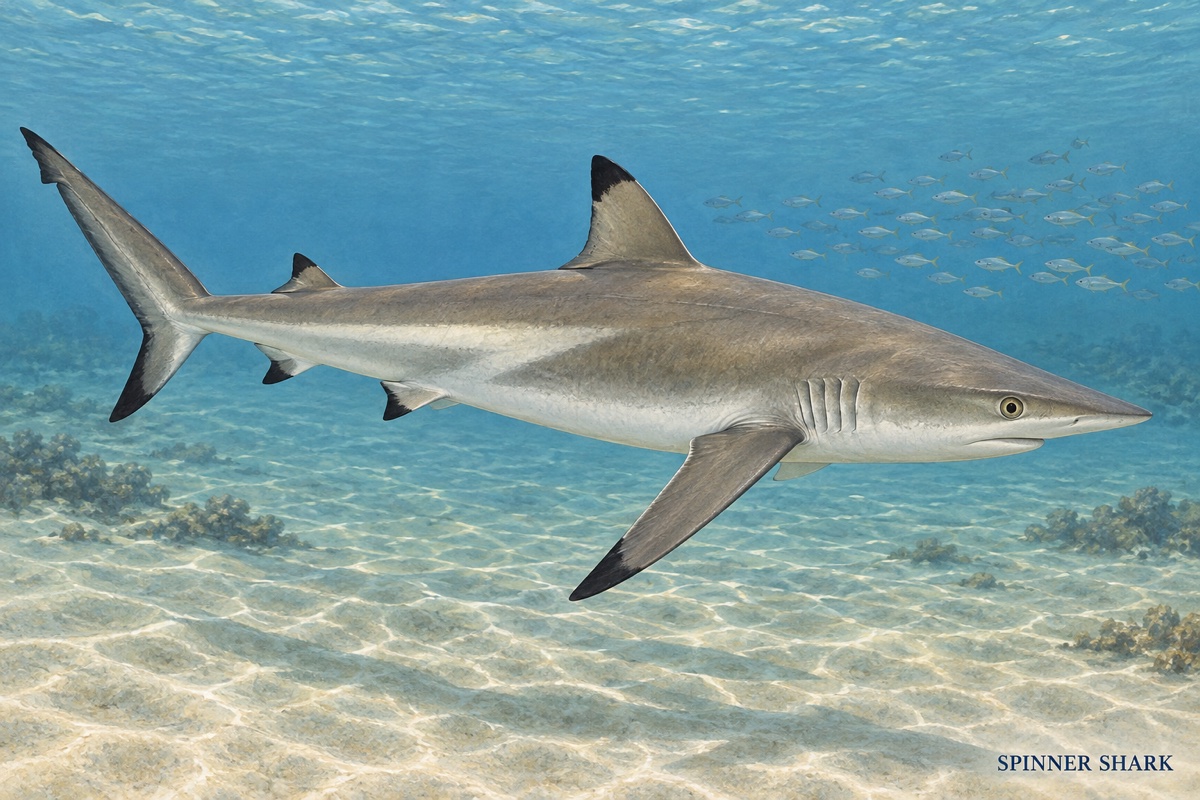 3 observationsSpinner sharkCarcharhinus brevipinna
It can burst vertically through a school of fish and spin above the surface.
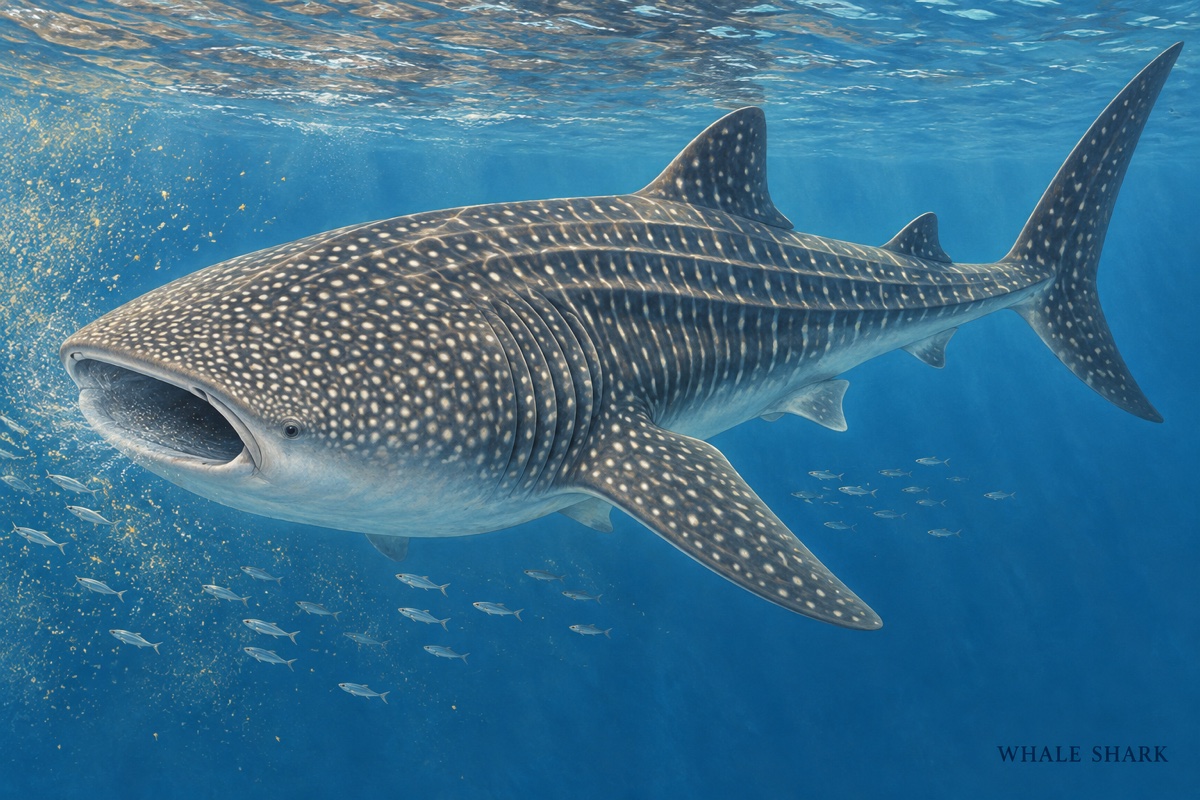 2 observationsWhale sharkRhincodon typus
Every whale shark has a spot pattern that can help researchers recognize individuals.
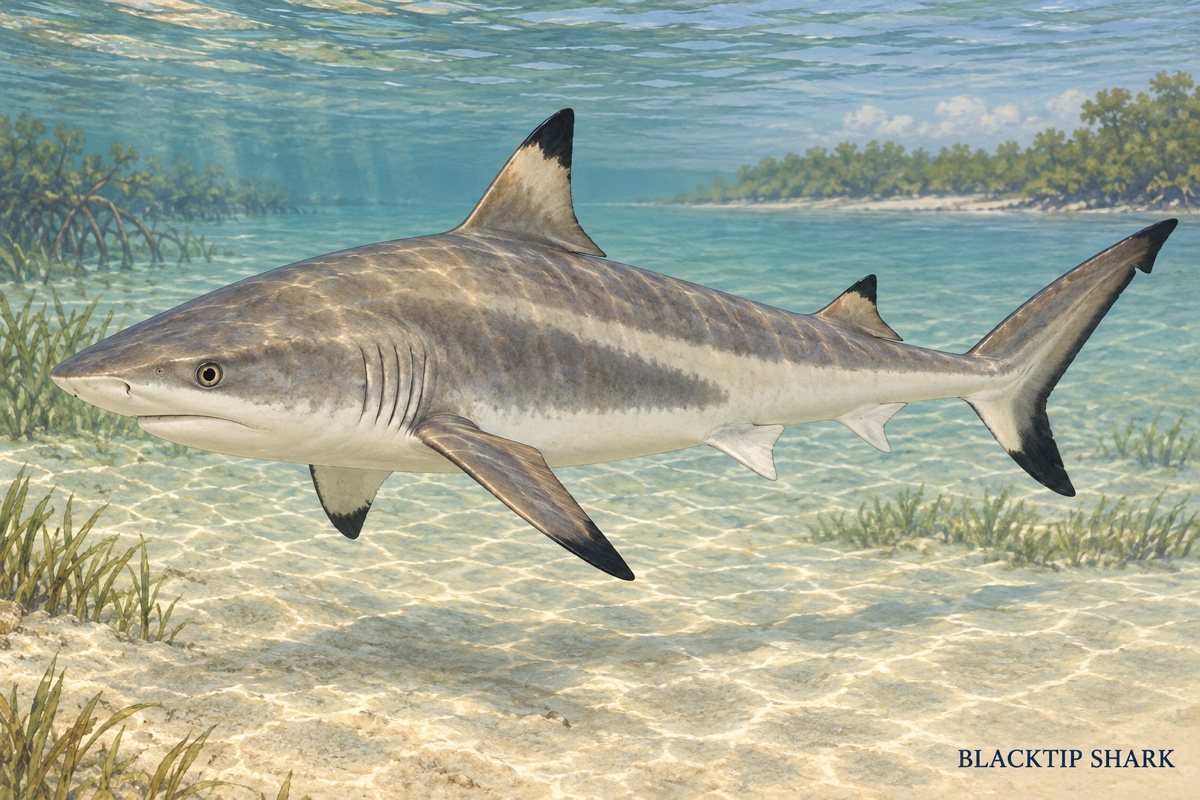 1 observationBlacktip sharkCarcharhinus limbatus
Blacktips sometimes leap from the water while feeding.
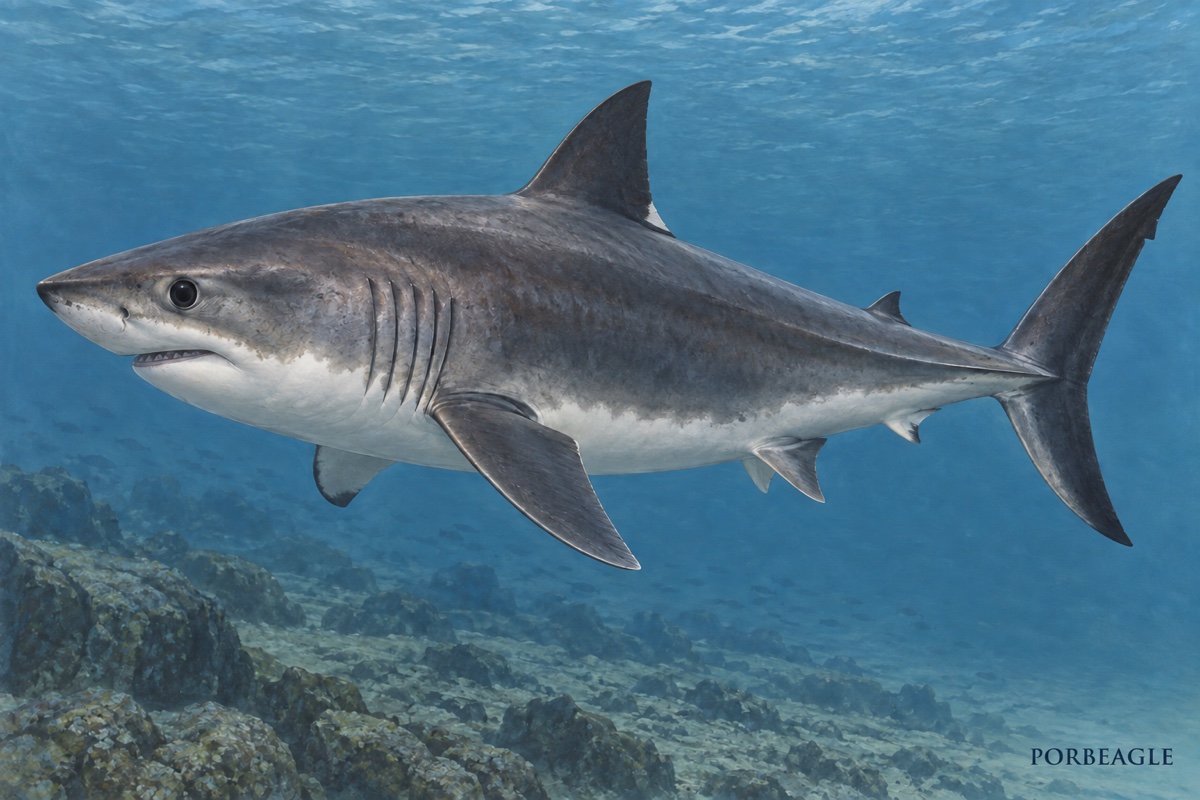 1 observationPorbeagleLamna nasus
A heat-conserving circulatory system lets it keep parts of its body warmer than surrounding water.
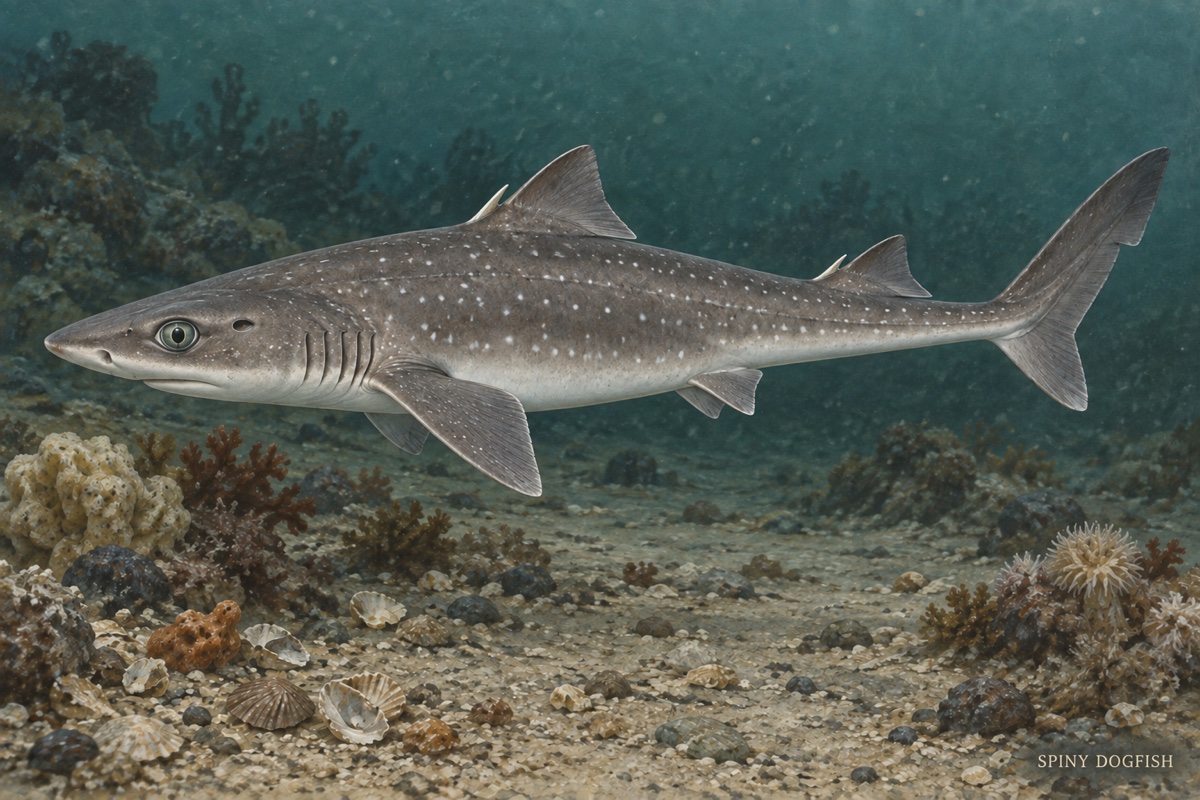 1 observationSpiny dogfishSqualus acanthias
The name dogfish came from reports of schools chasing prey like packs of dogs.
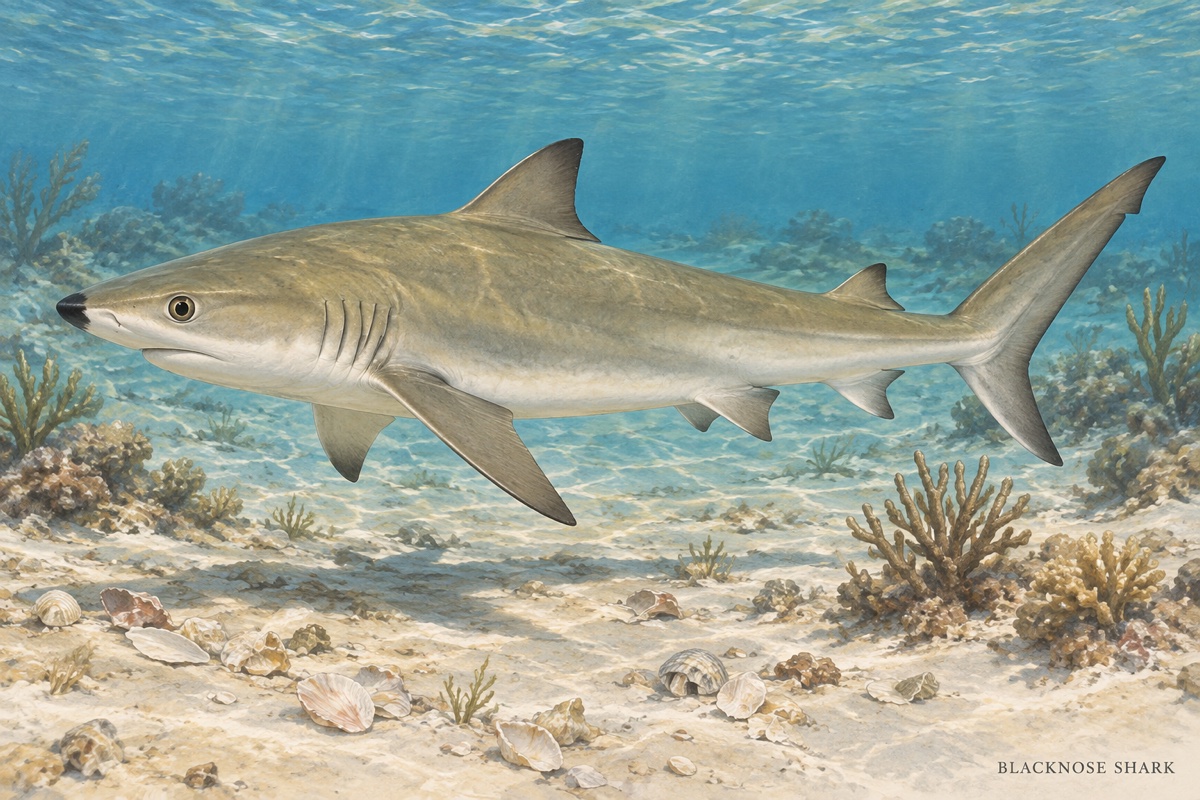 1 observationBlacknose sharkCarcharhinus acronotus
The dark nose marking is often clearest on younger sharks.
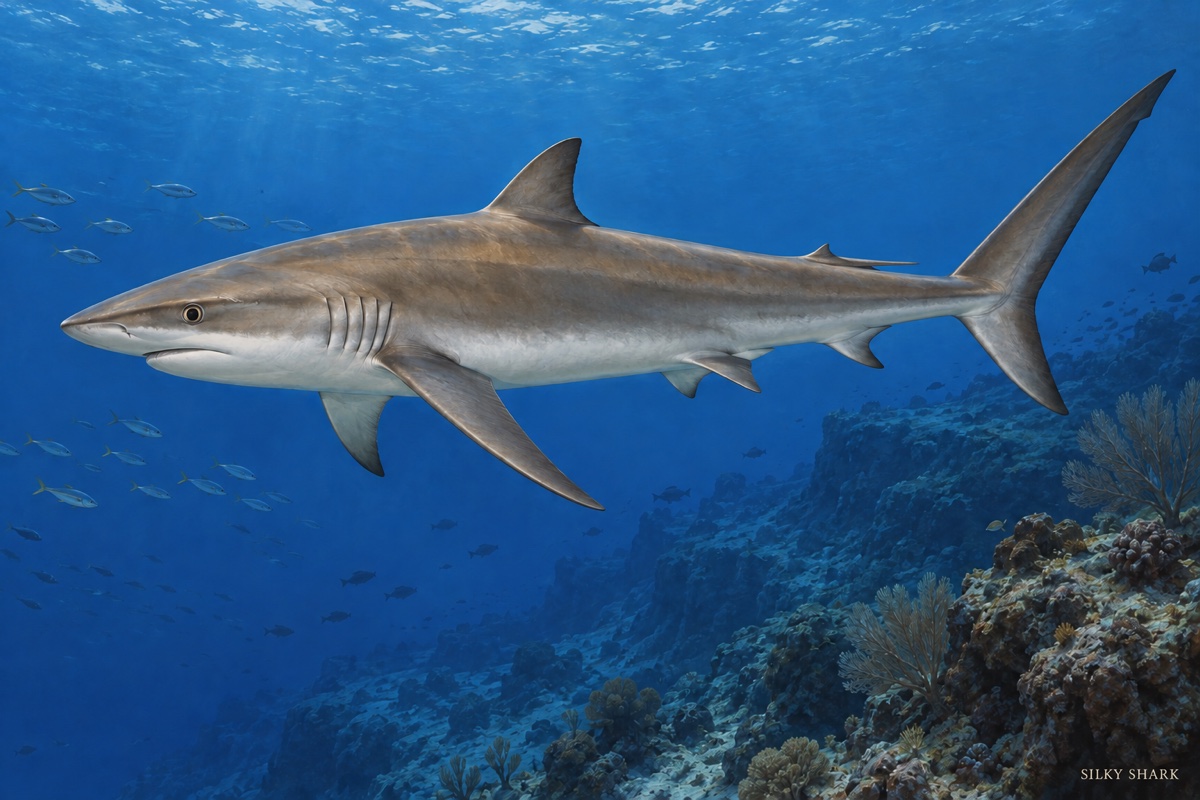 1 observationSilky sharkCarcharhinus falciformis
Densely packed denticles give its skin the smooth appearance behind its name.
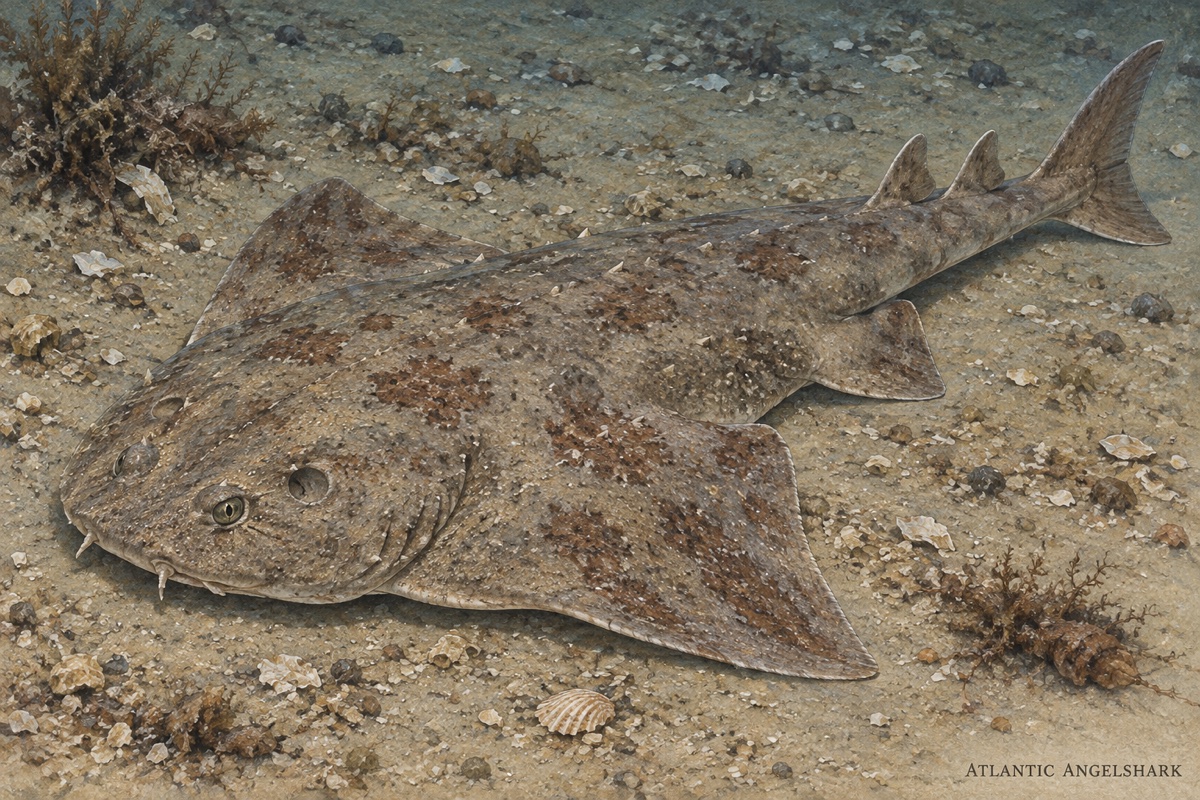 Reviewed guideAtlantic angelsharkSquatina dumeril
It can disappear beneath sand or mud while waiting to ambush prey.
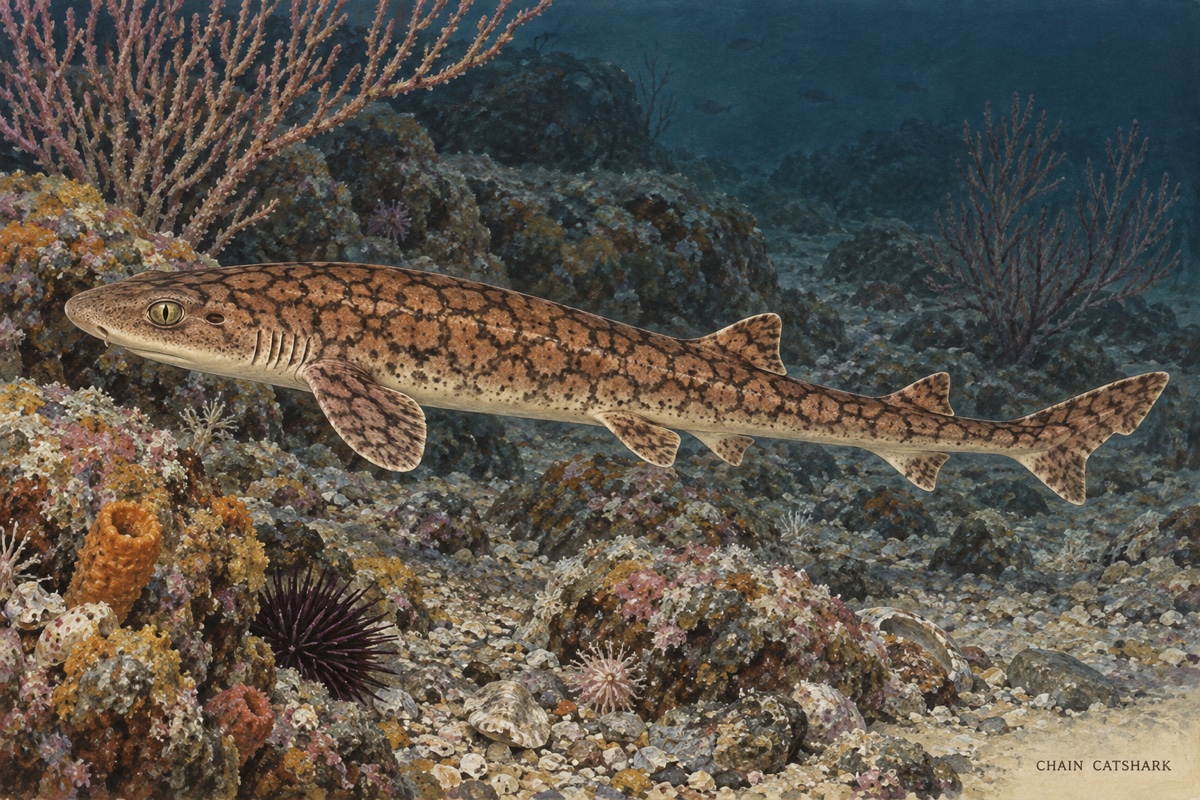 Reviewed guideChain catsharkScyliorhinus retifer
Chain catsharks can glow through biofluorescence under blue light.
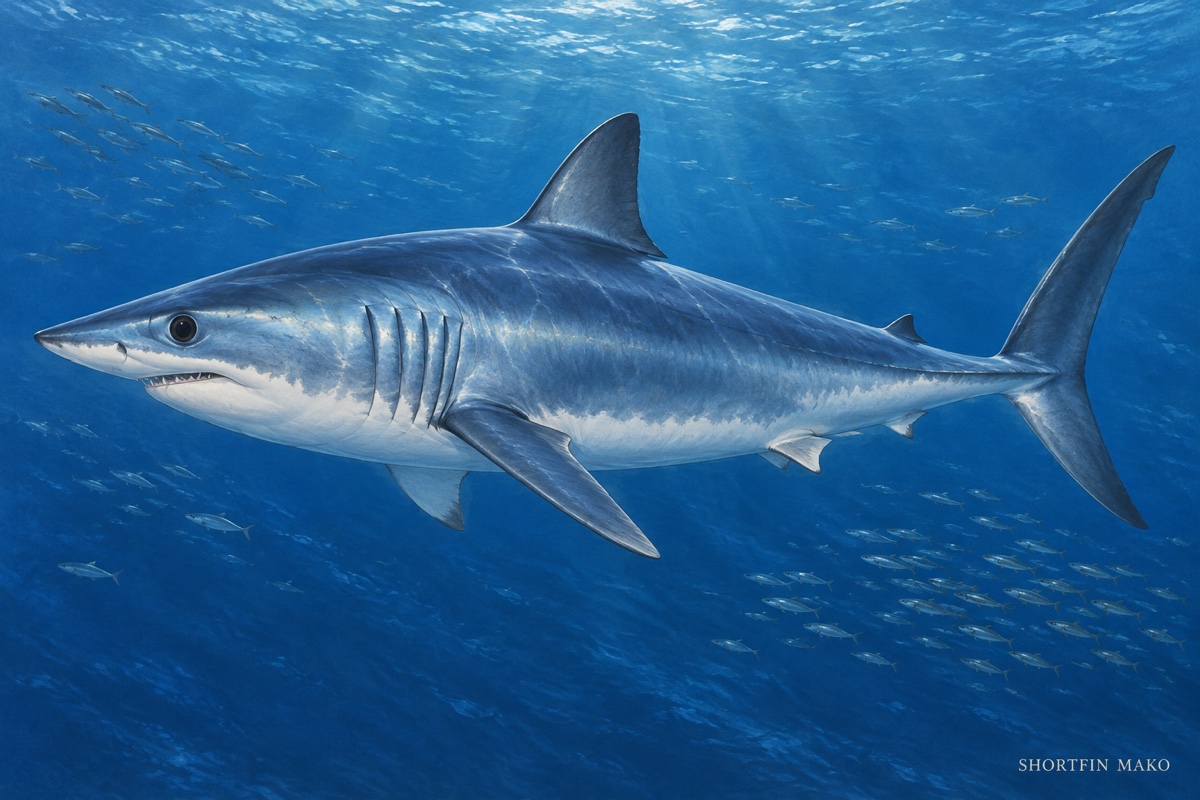 Reviewed guideShortfin makoIsurus oxyrinchus
It is widely considered the fastest shark, capable of extremely rapid bursts.
What “observed” means: activity counts use de-duplicated Shark Alert observation records from the past 365 days. They describe reporting activity in our current sources—not the abundance of a species in the ocean.